Modern healthcare facilities depend on advanced medical technology to deliver accurate diagnoses, effective treatments, and quality patient care. From MRI machines, CT scanners, and other laboratory equipment, these systems generate significant heat during operation. Without dependable medical cooling equipment, performance can suffer, downtime can increase, and critical healthcare services may be disrupted.
Medical cooling equipment is designed to maintain precise operating temperatures for sensitive medical devices. Many of the technologies used in hospitals, imaging centers, research laboratories, and other medical facilities require tightly controlled temperatures to function properly. Even minor temperature fluctuations can impact equipment accuracy, efficiency, and lifespan. By continuously removing excess heat from medical equipment, cooling systems, like air cooled industrial chillers are essential for preventing overheating, improving reliability, and supporting consistent performance.
Common applications for medical cooling equipment include:
- MRI machines
- CT scanners
- PET scanners
- Linear accelerators for radiation therapy
- Medical laser systems
- Electron microscopes
- Laboratory and research equipment
When evaluating medical cooling equipment, healthcare organizations should consider:
- Reliability and uptime performance
- Ease of maintenance and serviceability
- Energy efficiency and operating costs
- Temperature stability and precision
- Compatibility with specific medical devices
- Selecting the right cooling solution can help extend equipment life, improve operational efficiency, and reduce the risk of unexpected downtime.
Some healthcare environments operate around the clock, and many, like hospitals, surgery centers, and imaging centers, rely on reliable imaging equipment, making uptime a top priority. When cooling systems fail, medical equipment may shut down unexpectedly, causing delays in patient care and costly service interruptions.
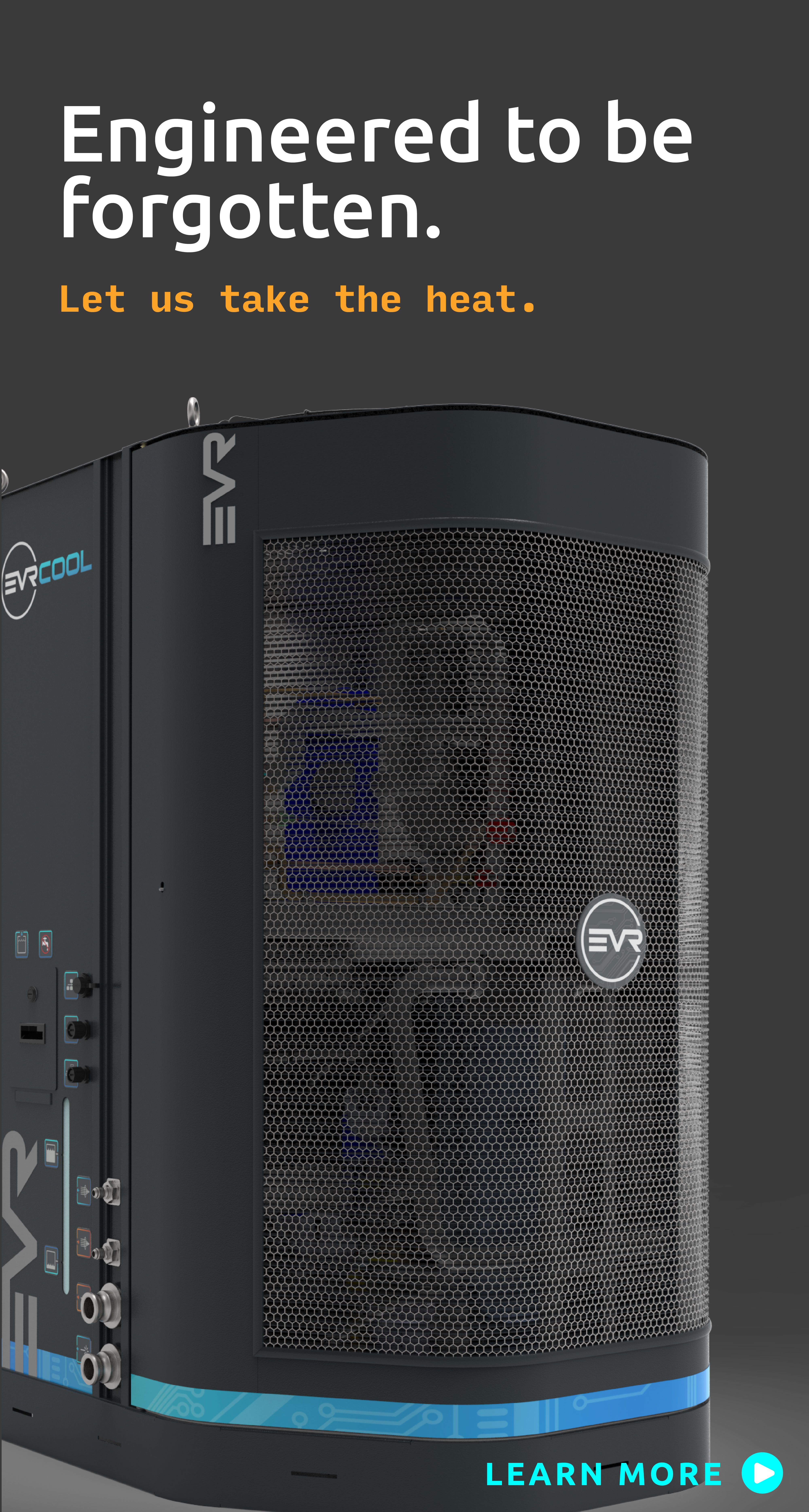
High-quality medical cooling equipment should be engineered for continuous operation and designed to minimize potential failure points. EVRCOOL industrial chillers are purposefully designed to reduce common failure points through innovative engineering and serviceable system designs.
In healthcare settings, maintenance efficiency is almost as important as reliability. Equipment that is difficult to service can lead to extended downtime and increased operating costs.
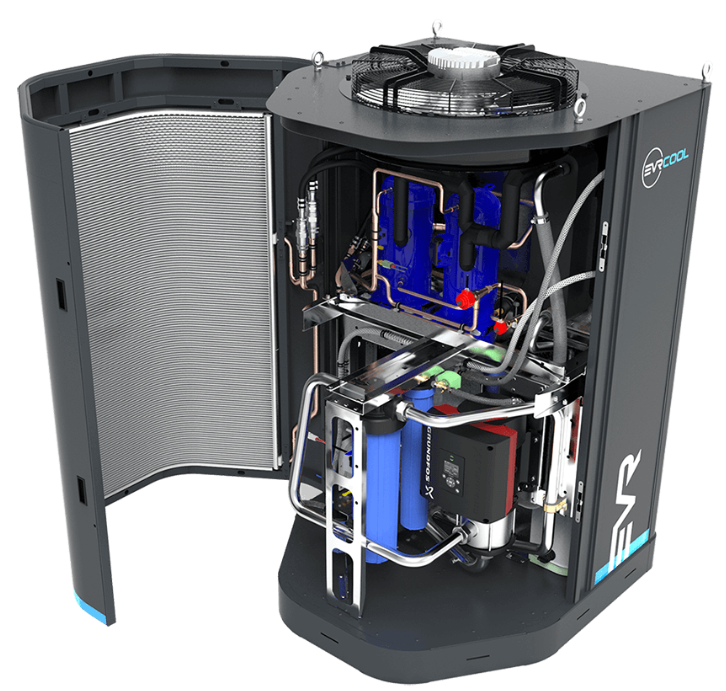
EVRCOOL medical chillers are designed with serviceability in mind, featuring innovations such as a patent-pending condenser access door, removable refrigeration assemblies, onboard diagnostics, and remote monitoring capabilities. These features allow technicians to quickly diagnose and address issues while minimizing disruption to critical healthcare operations.
Today's healthcare facilities are also focused on reducing energy consumption without sacrificing performance. Advanced industrial process cooling technology uses intelligent controls and adaptive technology to optimize cooling output based on operating conditions.
This adaptability allows a single cooling system to support varying heat loads while maintaining precise temperature control. EVRCOOL chillers are engineered to integrate with a wide range of medical technologies and automatically adjust to changing demands for maximum efficiency.
As medical technology continues to advance, the demand for intelligent, reliable, and efficient cooling solutions will only increase. Healthcare facilities need cooling systems that can support increasingly sophisticated equipment while delivering the reliability required in critical care environments. By keeping essential medical technologies operating at peak performance, advanced cooling systems play a vital role in supporting better patient outcomes and more efficient healthcare operations.
Modern healthcare facilities depend on advanced medical technology to deliver accurate diagnoses, effective treatments, and quality patient care. From MRI machines, CT scanners, and other laboratory equipment, these systems generate significant heat during operation. Without dependable medical cooling equipment, performance can suffer, downtime can increase, and critical healthcare services may be disrupted.
Medical cooling equipment is designed to maintain precise operating temperatures for sensitive medical devices. Many of the technologies used in hospitals, imaging centers, research laboratories, and other medical facilities require tightly controlled temperatures to function properly. Even minor temperature fluctuations can impact equipment accuracy, efficiency, and lifespan. By continuously removing excess heat from medical equipment, cooling systems, like air cooled industrial chillers are essential for preventing overheating, improving reliability, and supporting consistent performance.
Common applications for medical cooling equipment include:
- MRI machines
- CT scanners
- PET scanners
- Linear accelerators for radiation therapy
- Medical laser systems
- Electron microscopes
- Laboratory and research equipment
When evaluating medical cooling equipment, healthcare organizations should consider:
- Reliability and uptime performance
- Ease of maintenance and serviceability
- Energy efficiency and operating costs
- Temperature stability and precision
- Compatibility with specific medical devices
- Selecting the right cooling solution can help extend equipment life, improve operational efficiency, and reduce the risk of unexpected downtime.
Some healthcare environments operate around the clock, and many, like hospitals, surgery centers, and imaging centers, rely on reliable imaging equipment, making uptime a top priority. When cooling systems fail, medical equipment may shut down unexpectedly, causing delays in patient care and costly service interruptions.
High-quality medical cooling equipment should be engineered for continuous operation and designed to minimize potential failure points. EVRCOOL industrial chillers are purposefully designed to reduce common failure points through innovative engineering and serviceable system designs.
In healthcare settings, maintenance efficiency is almost as important as reliability. Equipment that is difficult to service can lead to extended downtime and increased operating costs.
EVRCOOL medical chillers are designed with serviceability in mind, featuring innovations such as a patent-pending condenser access door, removable refrigeration assemblies, onboard diagnostics, and remote monitoring capabilities. These features allow technicians to quickly diagnose and address issues while minimizing disruption to critical healthcare operations.
Today's healthcare facilities are also focused on reducing energy consumption without sacrificing performance. Advanced industrial process cooling technology uses intelligent controls and adaptive technology to optimize cooling output based on operating conditions.
This adaptability allows a single cooling system to support varying heat loads while maintaining precise temperature control. EVRCOOL chillers are engineered to integrate with a wide range of medical technologies and automatically adjust to changing demands for maximum efficiency.
As medical technology continues to advance, the demand for intelligent, reliable, and efficient cooling solutions will only increase. Healthcare facilities need cooling systems that can support increasingly sophisticated equipment while delivering the reliability required in critical care environments. By keeping essential medical technologies operating at peak performance, advanced cooling systems play a vital role in supporting better patient outcomes and more efficient healthcare operations.